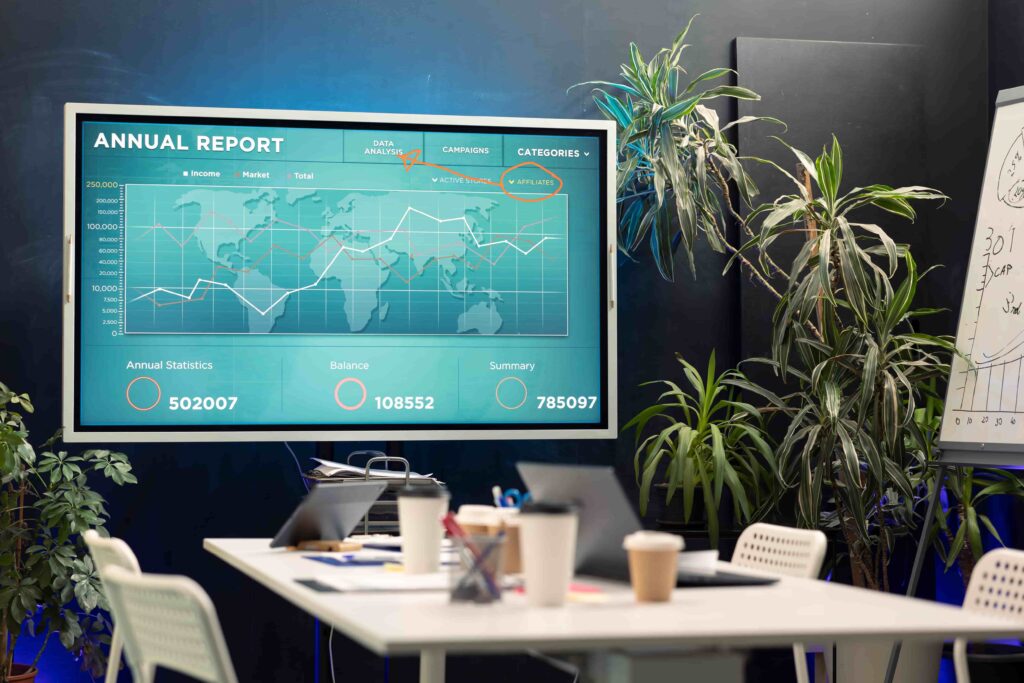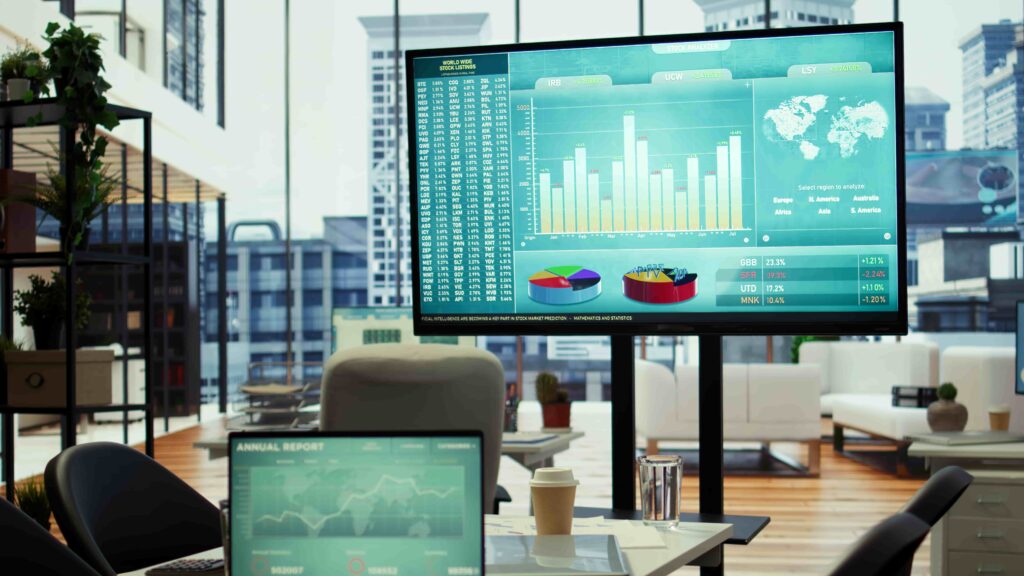



Interactive display panels are transforming how people learn and work in modern environments by offering responsive touch features that make sharing ideas simple and engaging. Unlike traditional LED TVs that only display visuals, these panels allow users to write, draw, and interact with content in real time, making discussions clearer and more collaborative. Many schools and businesses are now adopting interactive displays in Singapore to enhance teamwork and improve understanding. Students stay more focused as lessons become more dynamic with instant feedback, while professionals can plan more efficiently by moving charts and notes with ease. This growing adoption highlights the value of interactive panels in driving better communication and more productive collaboration.
Interactive panels do more than show images. They react when people touch them. They let users drag shapes, write notes, move charts, and flip through pages. These actions wake up young learners and keep meeting groups alert.
LED TVs glow with bright colours and play videos or slides with ease. They keep images steady and clear. Yet they only display what you load on them. Users cannot shape or change the content on the screen. This gap lowers group energy, slows teamwork, and blocks quick changes during lessons or talks.
Interactive panels act like giant tablets. Students tap, draw, and shift items on the screen. Teams in meeting rooms sketch ideas, build plans, and adjust charts in real time. These movements spark learning because people see ideas grow right before their eyes.
Children learn with their hands. When they touch objects on a screen, they grasp ideas faster. Teachers use panels to draw maps, sort words, break down sums, and build science models. Students respond with focus because the screen reacts to them.
A regular LED TV only displays content while a child watches. An interactive panel invites the child to tap shapes, stretch images, and slide words with a simple touch. Children grasp ideas faster because they take part in every moment. They no longer sit back and wait. They lead the lesson with their own hands.
Teachers value tools that change with their needs. Interactive panels help them shift quickly between tasks. They jump from drawing to writing to video with no delay. They adjust lessons for each skill level. This smooth movement keeps children engaged.
Teams gather in meeting rooms to solve problems and plan ahead. Clear communication helps everyone move in the same direction. Interactive panels raise the pace of these talks.
In a meeting, people share charts, lists, and ideas. When a group uses an interactive panel, they mark notes straight on the screen. They draw paths, circle key points, and shift data blocks. This action speeds up thinking. It keeps everyone alive in the process.
LED TVs show slides. When someone wants to add a quick thought, they pause the talk, find a marker, or switch devices. This flow breaks the rhythm. Ideas fade. Interactive panels avoid this problem. Users draw or write at once.
Teams often work across cities. Interactive panels let users mirror screens from laptops or phones. They show many files at once. They guide remote groups to track the same visuals. This helps each voice stay heard.
Clear visuals help groups reach decisions fast. Interactive panels shine brighter and sharper than many LED TVs. They also avoid glare. This supports long lessons and long meetings.
LED TVs can strain the eyes when people stare for long periods. Interactive panels often use screens that soften harsh light. They keep colours steady. This helps children and adults view lessons or meetings with comfort.
Interactive panels switch between images, writing, videos, charts, and web pages. Users never jump between devices. This keeps the room tidy. It also reduces wasted time.
People use these panels in schools, clinics, offices, shops, and training centres. Each space benefits from quick actions and clear visuals.
Teachers guide pupils with colour, shape, movement, and sound. Children respond with eager minds. They build confidence because the panel reacts to them.
Workplaces thrive on speed and sharp thinking. Panels boost this by helping teams solve problems on the spot. They also strengthen teamwork because everyone can take part.
Trainers show layers of a task. They tear apart steps, highlight details, and adjust flow based on group needs.
Most groups choose interactive panels when they want people to take part. LED TVs work well when users only plan to watch. Yet schools and workplaces now need tools that help people shape ideas together.
Use a panel when:
A touch screen display helps children and adults learn through action. They tap objects, drag blocks, and reveal answers step by step. This activity builds strong memories. It also encourages shy learners to join and take part.
When learners touch a panel, they see quick results, and build trust in their ideas. They try new things without fear because the panel lets those correct mistakes with ease.
In group sessions, everyone joins the action. They gather around the panel, try new ideas, and sketch paths together. This sparks teamwork and excitement.
Many offices now place interactive panels in meeting rooms. Teams use them as their main conference room display tool.
Teams share laptop and phone screens on the panel. They switch between files in seconds, and mark key points as they speak. Additionally, they adjust plans without delay.
When a team spots a problem, they outline the issue, map steps, and shape a solution on the panel. This turns long talks into short, sharp sessions.
Interactive display panels now guide learning in schools and work in offices. They spark action, sharpen clarity, and strengthen teamwork. These panels stand above regular LED TVs because they let people shape ideas together. They help children learn faster and help teams move with speed and confidence. Moreover, they also deliver clear visuals that are easy on the eyes during long hours of work.
As more groups explore tools in Singapore, interest in interactive display in Singapore grows. Even companies like Exotic Office Solutions see strong demand from teachers and corporate teams who want sharper ways to share ideas. With the right use, these panels turn lessons and meetings into lively spaces where ideas take shape in clear and simple ways.